Portugal transforms into a festive wonderland during the Christmas season, offering a rich mix of cultural traditions, regional customs, and delicious food. From iconic Portuguese Christmas dishes such as bacalhau and Bolo Rei to centuries-old winter celebrations like the Madeiros bonfires, Christmas in Portugal is filled with charm, colour and history.
Whether you’re planning to explore the sparkling Christmas lights of Lisbon, the historic streets of Porto, or the peaceful villages of the Algarve, Portugal is an unforgettable destination for a winter holiday. Here’s everything you need to know about Portuguese Christmas traditions in 2025.
- What is Christmas called in Portugal?
- The “Bananeiro” of Braga (Braga’s banana ritual)
- The Madeiros Christmas bonfires
- Caretos de Varge
- The Pinheiro de Guimarães Christmas tree
- Magusto da Velha – The Old Lady’s Chestnuts
- Viana do Castelo’s gigantic Christmas Tree
- What do the Portuguese eat at Christmas?
- Portugal Christmas weather
- Where to spend Christmas in Portugal
What is Christmas called in Portugal?
If you’re spending Christmas—Natal—in Portugal, it helps to know how to greet people in the local language. The most common expression is “Feliz Natal” (Merry Christmas). You may also hear “Boas Festas”, meaning Happy Holidays, which covers both Christmas and New Year.
The “Bananeiro” of Braga (Braga’s banana ritual)
One of the most unusual Christmas traditions in Portugal takes place in Braga. The Bananeiro began around 40 years ago at an old tavern called Casa das Bananas. On the afternoon of 24 December, locals gather to enjoy a glass of Moscatel de Setúbal served with a banana—originally a playful combination inspired by the tavern’s past as a fruit warehouse.
Today, hundreds of people continue this lively ritual every Christmas Eve. Visitors are welcome to join the festivities, enjoy a Moscatel and banana (bought at the bar or brought from home), listen to live music and soak up the joyful atmosphere before heading home for Christmas dinner.
The Madeiros Christmas bonfires
The Madeiros de Natal, also known as Fogueiras do Galo, are large bonfires lit on Christmas Eve—especially in northern and central Portugal. Traditionally ignited after midnight mass (Missa do Galo), these fires are rooted in ancient solstice celebrations symbolising the return of light during the darkest time of the year.
Villagers gather around the bonfire throughout the night, sharing stories, music and food. For many rural communities, the Madeiro is the heart of Christmas.
Caretos de Varge
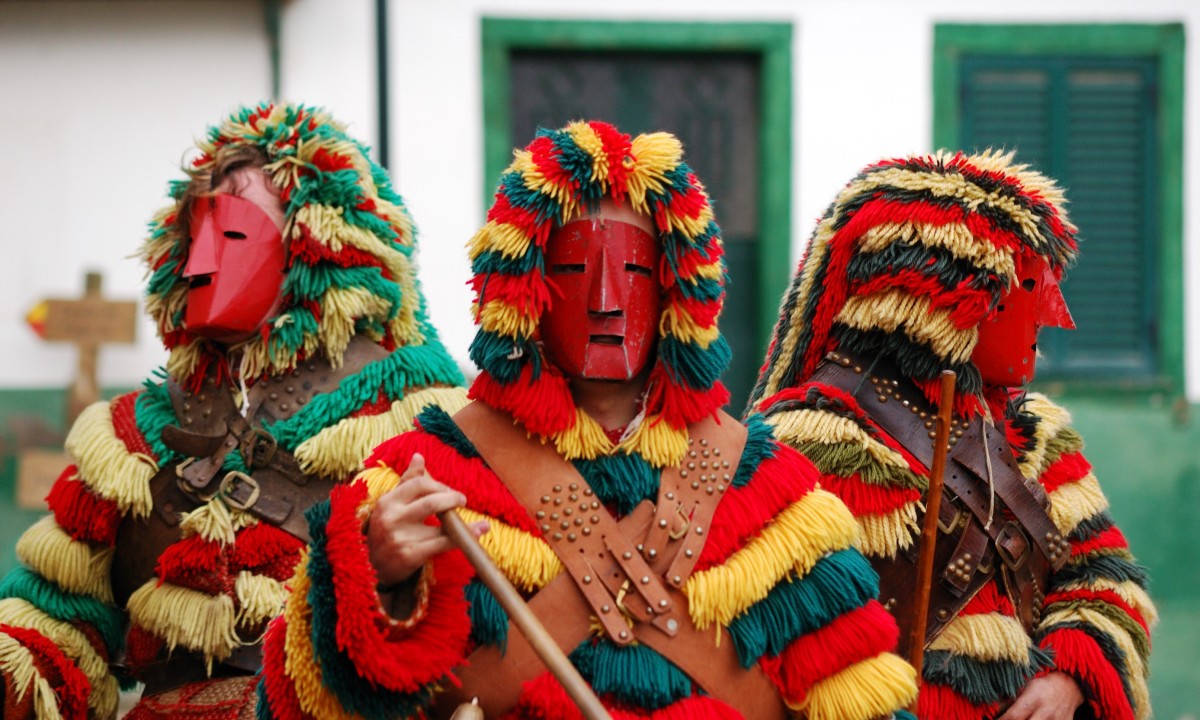
In the Trás-os-Montes region, the village of Varge hosts one of Portugal’s most striking Christmas traditions. On 25 December, young single men dress as Caretos—wild, masked figures representing the end of winter. They run through the streets shouting, dancing and playfully causing mischief.
As they visit each home, they sing humorous satirical songs known as loas and receive food from the villagers. The celebrations end with a race, dinner and dance that symbolise the union of the town’s youth. It is one of the most vibrant pagan-influenced Christmas customs in Portugal.
The Pinheiro de Guimarães Christmas tree
In Guimarães, the Christmas season officially begins on 29 November, during celebrations dedicated to St Nicholas. At dawn, locals cut a towering tree, which is then carried through the city on a bull cart before being raised in the main square.
The tree is decorated to the sound of traditional Christmas music and attracts thousands of visitors every year. This event marks the start of festive celebrations in the Minho region and remains a beloved cultural tradition.
Magusto da Velha – The Old Lady’s Chestnuts
On 26 December, the village of Aldeia Viçosa celebrates the Magusto da Velha, a tradition honouring a wealthy woman who, centuries ago, donated chestnuts and wine to locals in exchange for prayers.
Every year, villagers climb the church tower and throw up to 150 kg of chestnuts onto the embers of the Christmas Madeiro bonfire below. The Town Hall hands out wine, and the community spend the afternoon roasting chestnuts and sharing stories from Christmases past.
Viana do Castelo’s gigantic Christmas Tree
Christmas decorations in Portugal are a major part of the festive season, and Viana do Castelo proudly claims to have one of the tallest Christmas trees in Europe.
Every December, a group of skilled climbers ascend the enormous tree—thought to be over 30 metres high—to decorate it. Positioned near the Santa Luzia lift, the tree draws thousands of spectators and offers a magical setting to enjoy Portugal’s Christmas spirit.
What do the Portuguese eat at Christmas?
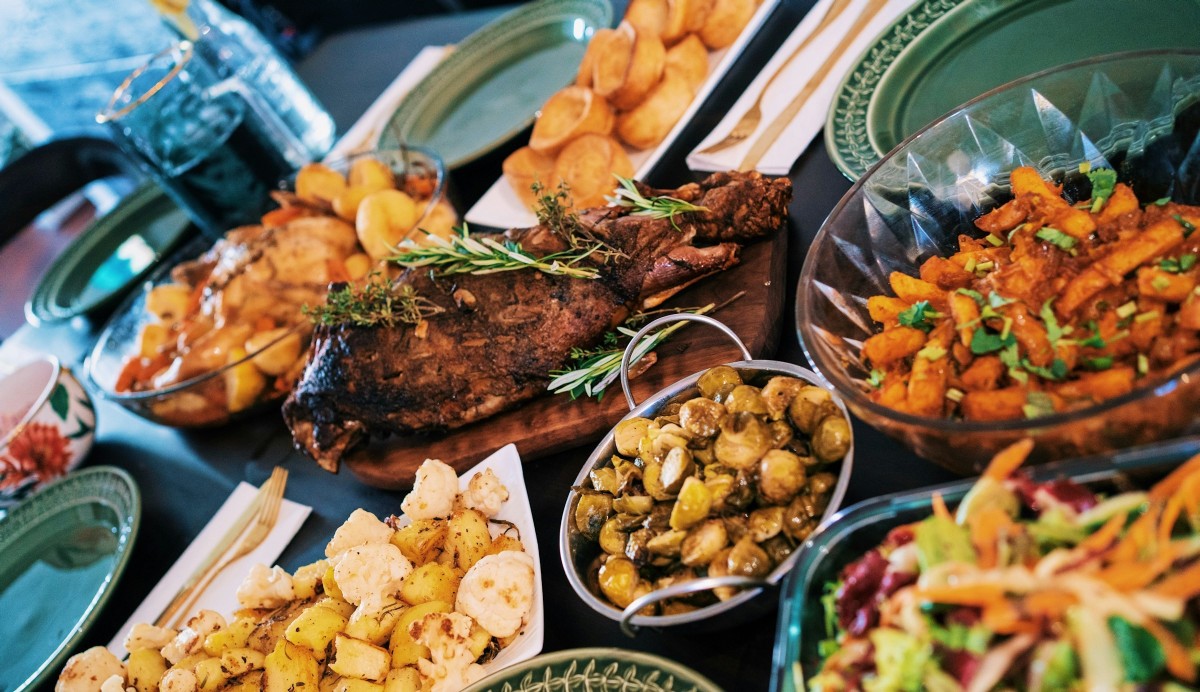
Food is at the centre of Portuguese Christmas celebrations, and every family follows its own cherished traditions.
Christmas Eve (24 December)
The star of the evening is usually bacalhau, often served boiled with cabbage, potatoes and eggs. This dish is known as bacalhau da Consoada.
Christmas Day (25 December)
Families typically enjoy:
- Roast lamb
- Roast goatling (cabrito)
- Turkey (in some regions)
- Regional sweets and desserts
Popular Christmas desserts include:
- Bolo Rei and Bolo Rainha
- Rabanadas (similar to French toast)
- Filhós and sonhos
- Aletria (a sweet vermicelli pudding)
Christmas food in Portugal creates the perfect atmosphere for family gatherings and festive celebrations.
Portugal Christmas weather
December weather in Portugal is mild compared to much of Europe, but temperatures vary across the country:
- Algarve: 10°C – 17°C, with mostly sunny or partly cloudy days.
- Lisbon & Central Portugal: 8°C – 15°C, with occasional rain.
- Porto & the North: Cooler, often 5°C – 12°C.
- Serra da Estrela: Possibility of snow—ideal for a Christmas ski trip.
This gentle winter climate makes Portugal an appealing destination for a festive holiday.
Where to spend Christmas in Portugal
Wondering where to spend Christmas in Portugal in 2025? Here are some top suggestions:
Lisbon
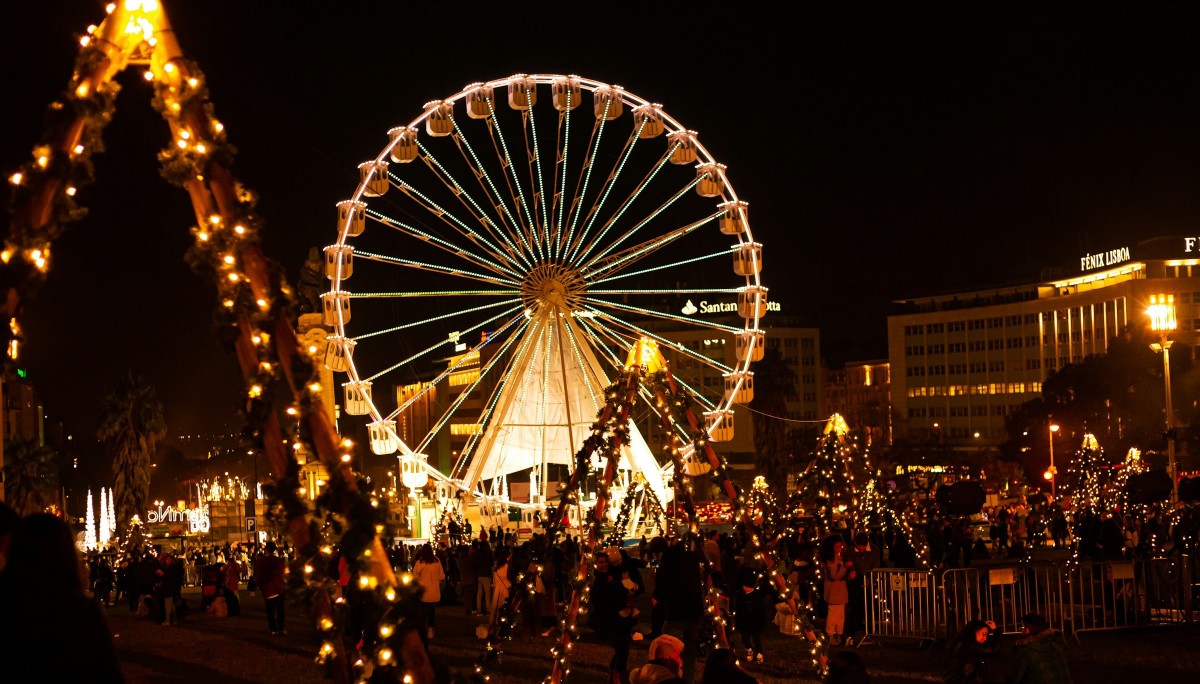
Famous for its illuminated streets, Christmas markets, and festive events.
Porto
Beautiful historic scenery, charming markets and traditional winter celebrations.
The Algarve
Ideal for travellers seeking mild winter weather, Christmas lights, and coastal walks.
Northern Portugal
Perfect for experiencing the country’s oldest Christmas traditions, including bonfires, rural festivities and unique winter rituals.
For a full list of recommendations, explore our complete guide to the best places to spend Christmas in Portugal.