Living in Guimarães means settling into a northern Portuguese town where daily life still runs very much on local terms. Often cited as the birthplace of Portugal, it has also been quietly gaining wider attention as one of the country’s more unexpected travel destinations for 2026.
Day to day, it remains a working town shaped by a strong student population, local families, and a steady rhythm that doesn’t bend much for visitors.
Is Guimarães a good place to live?
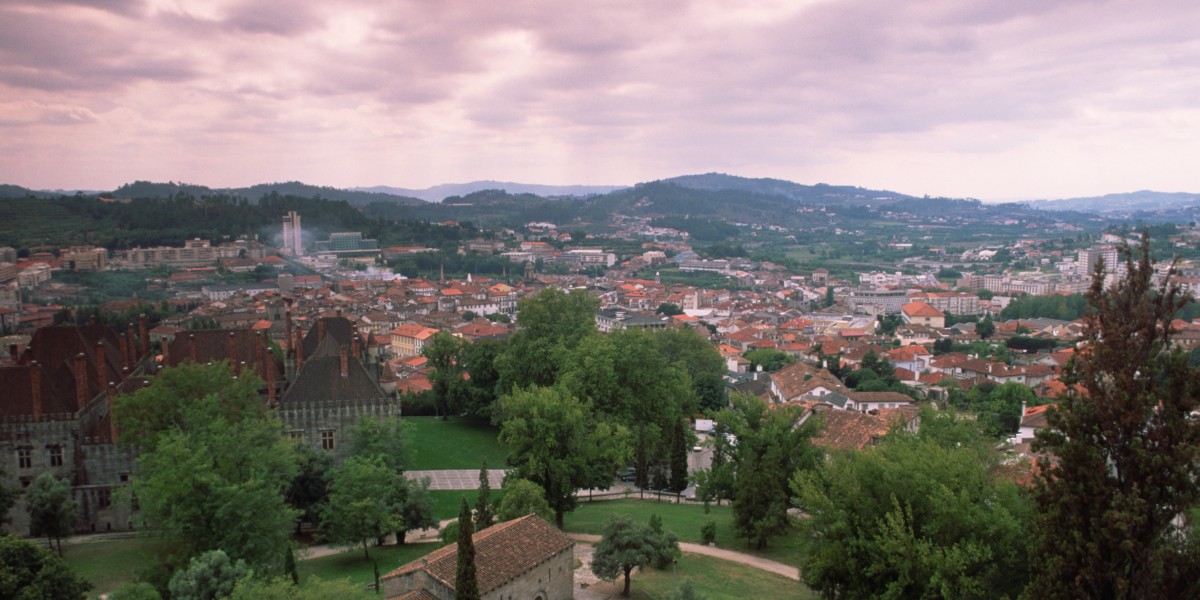
For the right person, yes. Guimarães suits people who value affordability, routine and a strong sense of place over novelty. It’s helped by the fact that the city has been recognised as Europe’s Green Capital for 2026, which reflects long-term investment rather than flashy change.
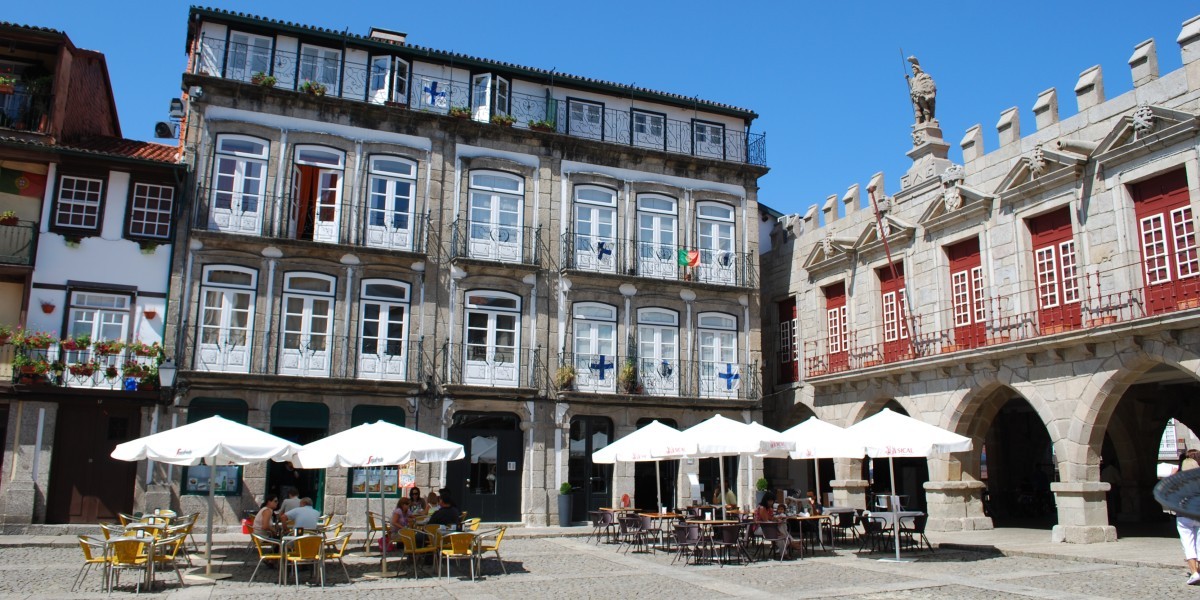
It works well if you’re happy living largely in Portuguese and don’t need international schooling on your doorstep. It's great if you like being able to walk most places, especially within the World Heritage historic centre, which still functions as a lived-in neighbourhood.
It’s less appealing if you want late nights midweek, or expect the kind of social churn you find in Lisbon, even if Guimarães does regularly crop up in conversations about underrated cities in Portugal.
Pros and cons of living in Guimarães
No place gets everything right, and Guimarães is no exception. It’s best understood through its trade-offs.
Advantages of living in Guimarães:
- Lower housing costs than in Porto or even Braga
- A walkable historic centre that’s still used by locals
- Easy access to green spaces
Downsides of relocating to Guimarães:
- Limited international schools and expat services
- Quiet evenings, especially outside university term time
Things to do in Guimarães

History and everyday culture
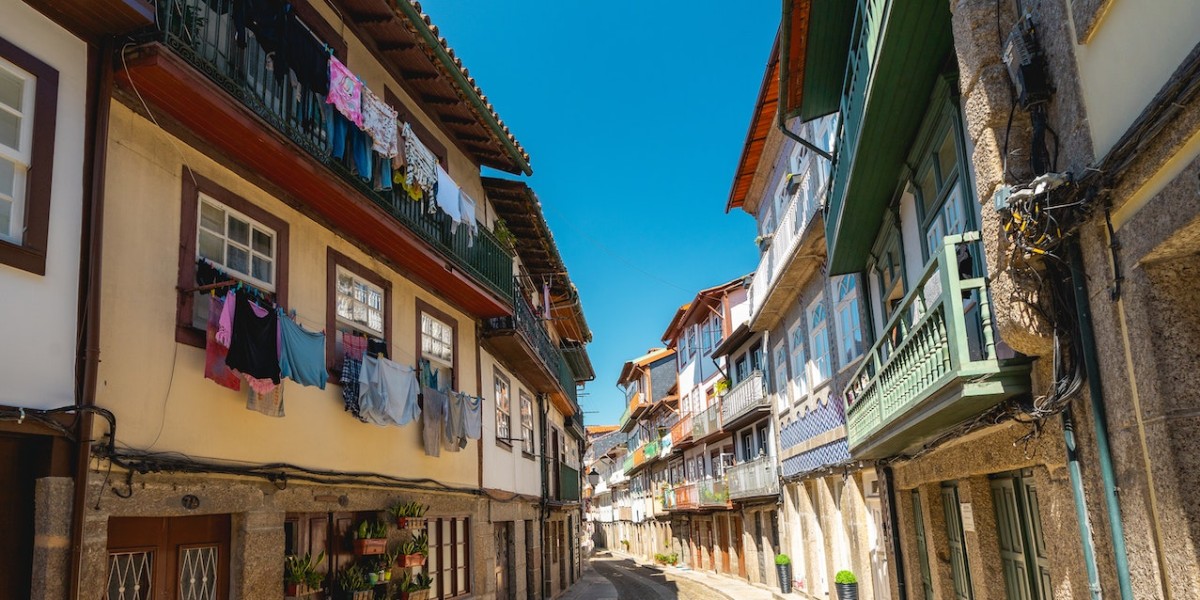
The historic centre is a UNESCO World Heritage Site, but it’s not treated like an open-air museum. Locals still cut through medieval streets on their way to work or the supermarket.
- Guimarães Castle and the Paço dos Duques de Bragança are part of the daily backdrop.
- Cultural life centres around Centro Cultural Vila Flor, which hosts theatre, concerts and exhibitions throughout the year.
Food, drink and local habits
Minho's food is hearty and unfussy.
- Dishes like rojões (fried pork with potatoes) and papas de sarrabulho are common on traditional menus, especially outside the centre.
- Around Largo da Oliveira, you’ll find plenty of casual places for petiscos and vinho verde.
- Coffee culture is practical rather than precious, with bakeries doing most of the heavy lifting from early morning.
Green space and small escapes
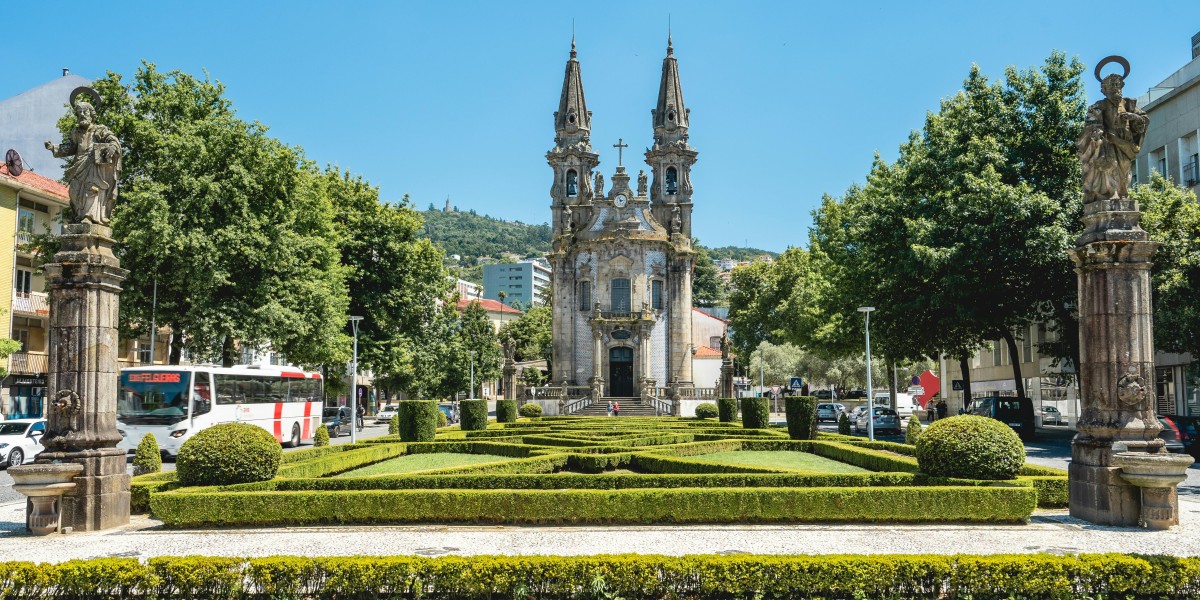
- The cable car up to Monte da Penha is used as much by locals as visitors, with walking trails and picnic spots at the top.
- For longer escapes, the Minho countryside is right on the doorstep.
- The beaches around Esposende are reachable in about 45 minutes by car.
Cost of living in Guimarães
Daily expenses in Guimarães feel manageable, particularly if you’re arriving from a larger Portuguese city. Eating out is still priced with locals in mind. A cheap main course at an inexpensive restaurant is around €10, while a meal for two at a mid-range restaurant comes to roughly €45. A beer out usually costs about €2, and a coffee is around €1.50.
Public transport is inexpensive and straightforward. A single bus ticket bought on board costs €1.70, while regular users tend to opt for the monthly city pass at €17.15.
Other typical monthly costs include gym membership at around €30, and basic utilities for an 85m² apartment at roughly €116 per month.
Property market in Guimarães
Housing remains one of the city’s biggest draws. Property prices in Guimarães averaged about €1,788 per m² in December 2025.
- Central areas like Azurém are more expensive, at around €2,276 per m²
- São Jorge (Selho) sits closer to €1,599 per m².
Rental prices averaged €10.3 per m², meaning an 80m² apartment typically rents for about €824 per month. Areas such as Oliveira – São Paio – São Sebastião are pricier, with rents closer to €13.5 per m².
Where to live in Guimarães
Rather than clear-cut neighbourhood personalities, Guimarães is more about centre versus outskirts.
Historic centre
Living centrally means character and convenience. Flats are smaller, parking is limited, and buildings are older, but daily life is easy on foot. This is where most foreigners who move to the city tend to start.
Creixomil and Urgezes
These residential areas are popular with local families. Apartments are larger, supermarkets are nearby, and road access is good.
Costa and Fermentões
Quieter and greener, these areas suit people who don’t mind relying on a car. Prices are lower, and properties tend to be newer, but day-to-day life happens more behind closed doors.
Who Guimarães suits best
Guimarães works best for people who want a settled, affordable life and are comfortable adapting to local habits rather than reshaping them. It rewards patience, language learning, and routine. If that sounds appealing, it can be a very liveable place.¡
Stay in the know about living in Portugal as a foreigner—get our weekly newsletter for the latest travel, legal, and lifestyle news.