The current macroeconomic environment is challenging, characterised by still high inflation and high interest rates that affect the profitability of businesses. But in this uncertain context, investing in the property market may even be the first line of defence to protect capital. This is precisely what Markus Waeber, head of consultancy and property intelligence at Julius Baer, argues. He also highlights six global market trends that property investors can consider to navigate the current cycle. These include investing in rental housing, sustainable construction, logistics and flexible offices.
Investing in property against inflation
Looking at the international property market, it is clear to see that there is an environment of restrictive monetary policy and rising property yields. Of course, the profitability of property deals is all the greater when the sector you're betting on has greater potential. Today, property investors generally focus on real estate segments, such as the residential or logistics market, which offer the potential for rental growth to offset current inflation.
"Identifying broader trends requires a combination of macro-level analysis and a deep understanding of local market dynamics," says Markus Waeber. "Clients want to understand how changes in global economic indicators can affect the local property markets in which they operate," he adds.
We mustn't forget that each property market has its own peculiarities, so supply, demand and prices can vary greatly from country to country. And legal issues, tax regulations and restrictions on foreign investment must also be properly analysed. "It's certainly true that property markets differ greatly from one region to another - and even within individual cities or neighbourhoods," says the representative of Julius Baer, a company that helps families and investors protect their assets.
In any case, there are trends already identified in real estate investment at a global level that help to make businesses profitable and protect assets in an economic cycle marked by inflation and rising interest rates.
The 6 trends in property investment
These are the six property market trends that international investors can bet on to protect their assets today, according to Markus Waeber:
Focus on houses for rent

There is a housing shortage in many parts of the world. And the low supply of houses to meet the high demand - especially in big cities - is the result of a combination of several factors, such as rising construction costs, rapid urbanisation, population growth or a shortage of land to build on.
At a time when house prices are high in several countries and interest rates continue to rise, many families who want to buy their first home will find it difficult to take out a mortgage. For all these reasons, demand for housing is therefore cooling in the buying and selling market and turning to the rental market.
This makes the residential rental market increasingly attractive to property investors. Historical property market data shows that rental housing has the potential to offer attractive risk-adjusted returns and provide a strong hedge in times of higher inflation.
With an annual turnover of more than 200 billion dollars (around 189 billion euros at the current exchange rate), the US has the largest and most liquid rental market in the world. In Europe, Germany also offers a highly liquid rental market, with an annual transaction volume of almost 20 billion dollars (around 18.9 billion euros).
Sustainable building helps achieve long-term returns
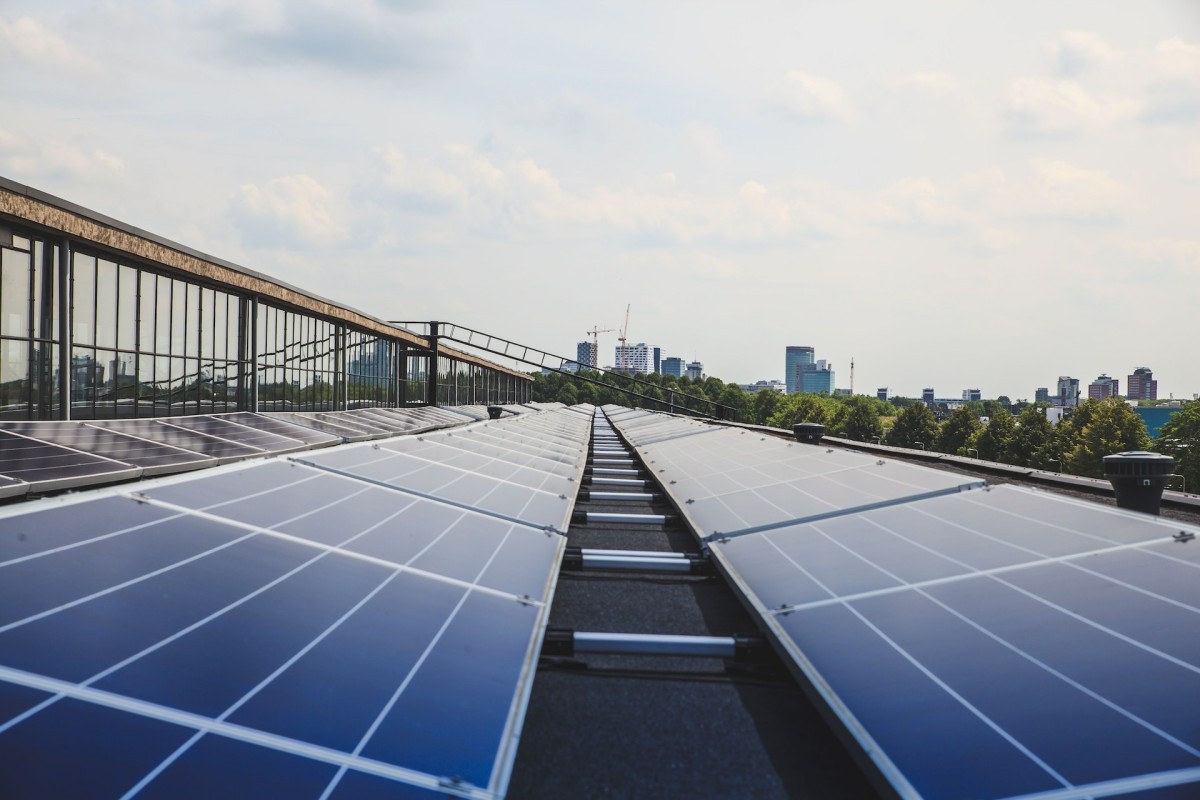
Including sustainable building principles in the investment strategy not only demonstrates a commitment to mitigating climate risks, but can also bring returns. The arrival of new resource-saving technologies, such as solar panels, thermal insulation or water-saving mechanisms, have the potential to generate long-term savings and create greater returns for investors.
Investing in sustainability is particularly important at a time when buildings themselves must comply with stricter regulations in order to promote sustainable construction and management of buildings.
There has been much discussion in recent years about the existence of the so-called "green building premium", under which occupiers pay higher rents for commercial property with sustainable certification. And in turn, investors have to fork out more capital to buy these assets.
A study carried out by MSCI, which analysed the prices paid for offices in London and Paris, showed that buildings with sustainability ratings were more expensive than those that had not yet reached these energy standards. Not least because, in the long term, the inefficient property itself runs the risk of being devalued due to high carbon emissions.
Logistics is a good bet
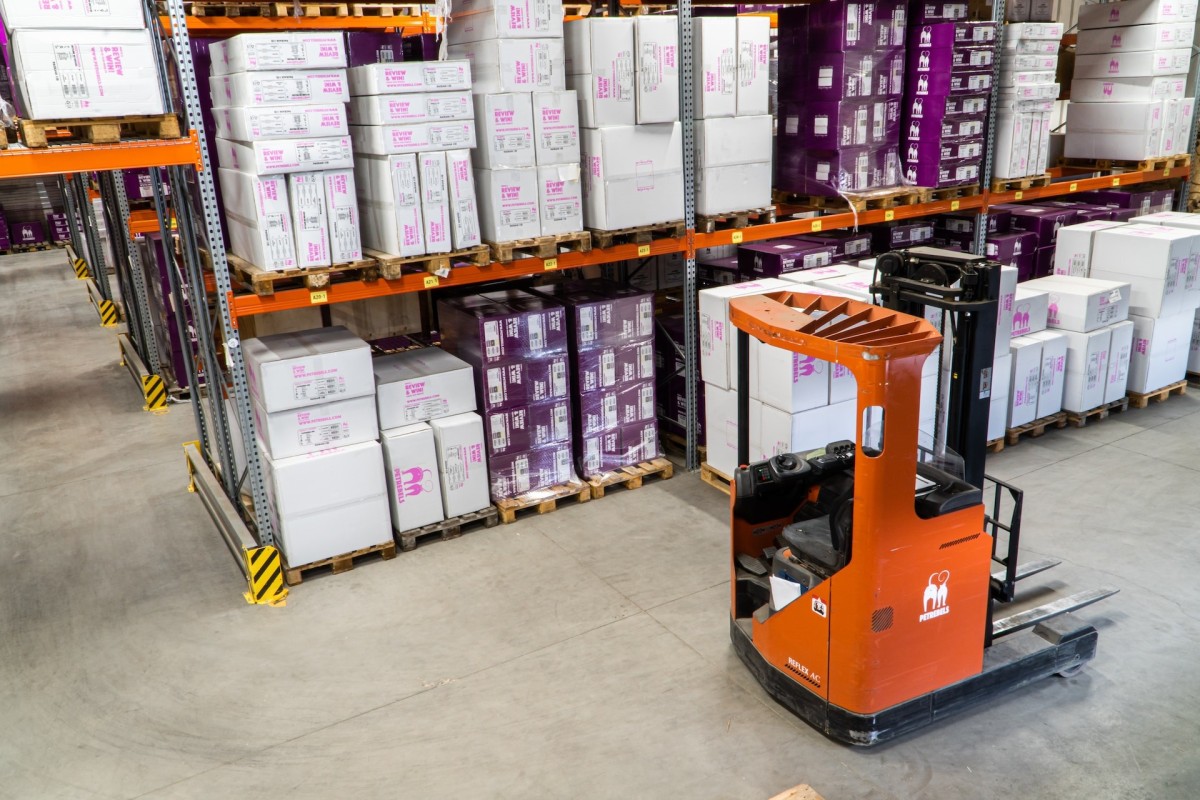
The rise of e-commerce has significantly increased the demand for call centres and dedicated distribution facilities. That's why investing in distribution centres allows investors to tap into this market and benefit from the growth of e-commerce.
This sector has proved particularly popular with institutional investors, including pension funds, private equity funds and real estate investment trusts (REITs). Its attractiveness lies, among other factors, in the fact that distribution centres offer income stability because they attract long-term leases from e-commerce giants.
As these operators want to make their distribution chains efficient, logistics centres are generally located in strategic locations, close to the main transport hubs, highways, ports and urban centres.
Riding the wave of reshoring
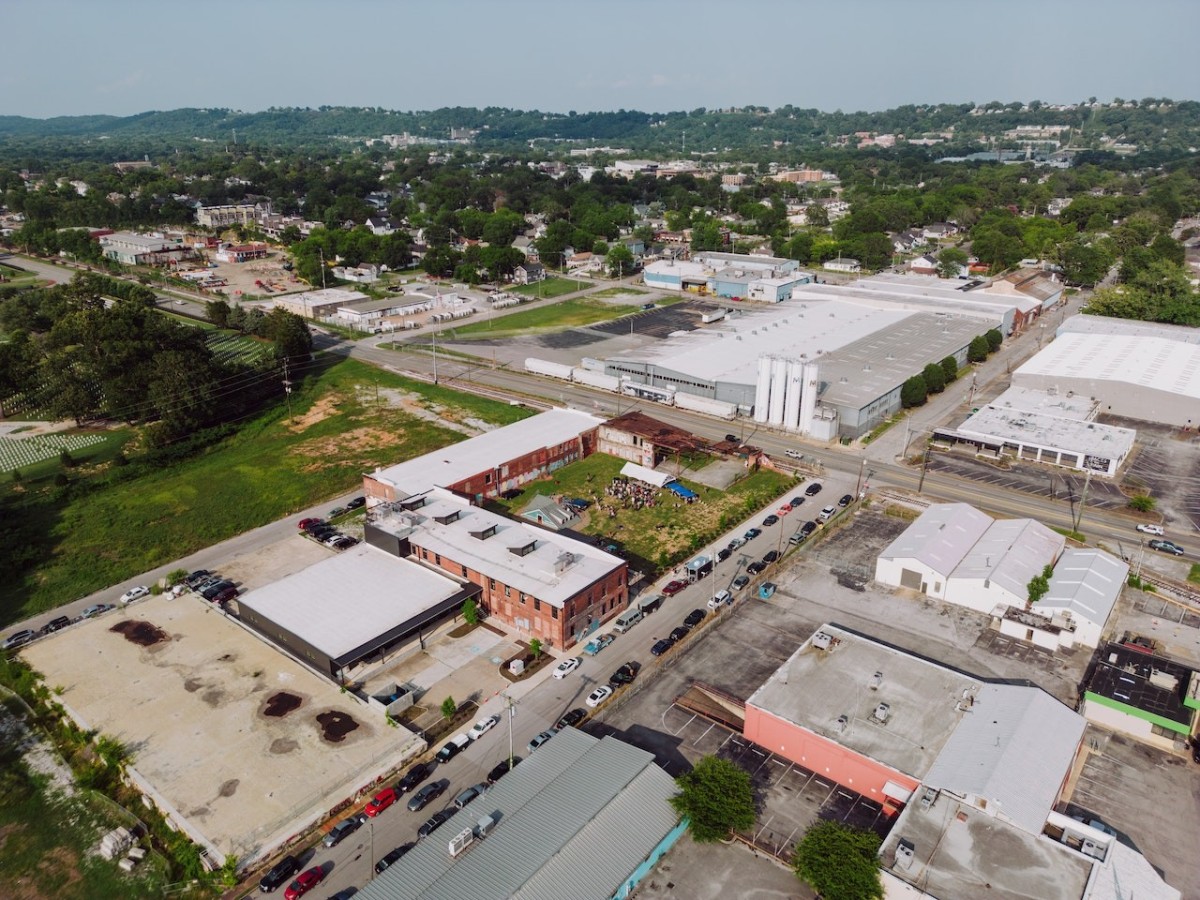
In recent years, the concept of "reshoring" - i.e. the transfer of productive or commercial activities to the country of origin - has gained increasing momentum. The Covid-19 pandemic and geopolitical uncertainties have highlighted vulnerabilities in global supply chains, leading to disruptions in transport, logistics and the availability of essential goods. The trend has also been driven by rising labour costs in traditional offshoring locations and the increasing automation of production processes.
In response to all this, many companies have rethought their supply chain strategies to improve resilience and reduce dependence on foreign economies. These relocalisation efforts require significant capital expenditure and create opportunities for investors.
It can therefore be a good idea to invest in well-located industrial properties that provide adequate infrastructure and services, as this is a way of generating attractive rental yields and capital appreciation. In certain cases, reshoring can involve repurposing or revitalising existing properties, allowing investors to exploit opportunities arising from refurbishing or adapting properties into modern industrial spaces.
Flexible offices gain momentum with teleworking

The massification of remote working around the world has changed the landscape of the office market. Of course, companies will continue to need well-located offices to encourage team meetings with business partners and clients. But they probably won't need to have offices in every city or country in the world.
This is why flexible offices can be an attractive alternative for global companies, where they can choose from a variety of additional services, including IT, cleaning, catering and concierge services, in addition to traditional office space.
In the same vein, investors can also look at laboratories prepared to receive companies in the field of science, research and health. This allows start-ups to spend their own money on research and development, rather than investing in equipment for their laboratories. As this is mainly face-to-face work in the laboratory, it is considered a more defensive investment.
Investing in infrastructure is a good idea

Property investment isn't just about commercial real estate, offices, warehouses or homes. But we shouldn't ignore infrastructure, i.e. investments that involve the purchase, development or management of physical assets that provide essential services to society or support a country's economic activity.
Infrastructure investments are particularly attractive to investors during periods of economic volatility, such as the current one, because they are not cyclical. These assets often have long development timescales, ranging from several years to several decades, and can therefore generate stable and predictable cash flows over the long term. For example, airports or motorways usually generate revenue through user fees or leasing.
With rising public deficits in many countries and the drive towards energy transition, there is a growing demand for private capital to fill the gap between planned infrastructure investments and potential public spending.