If you think you’ve seen everything the Algarve has to offer, think again.
Just off the coast of Olhão, in the eastern Algarve, lies a little‑known island that many travellers are starting to call the “Portuguese Maldives”. And once you see it, you’ll understand why.
Welcome to Ilha da Armona — a peaceful Atlantic paradise that feels a world away from the crowded beaches of Albufeira and Lagos.
A wild island few tourists know about
Unlike many Algarve hotspots, Armona remains refreshingly undeveloped.
There are:
- No high‑rise hotels
- No sprawling resorts
- No busy nightlife strips
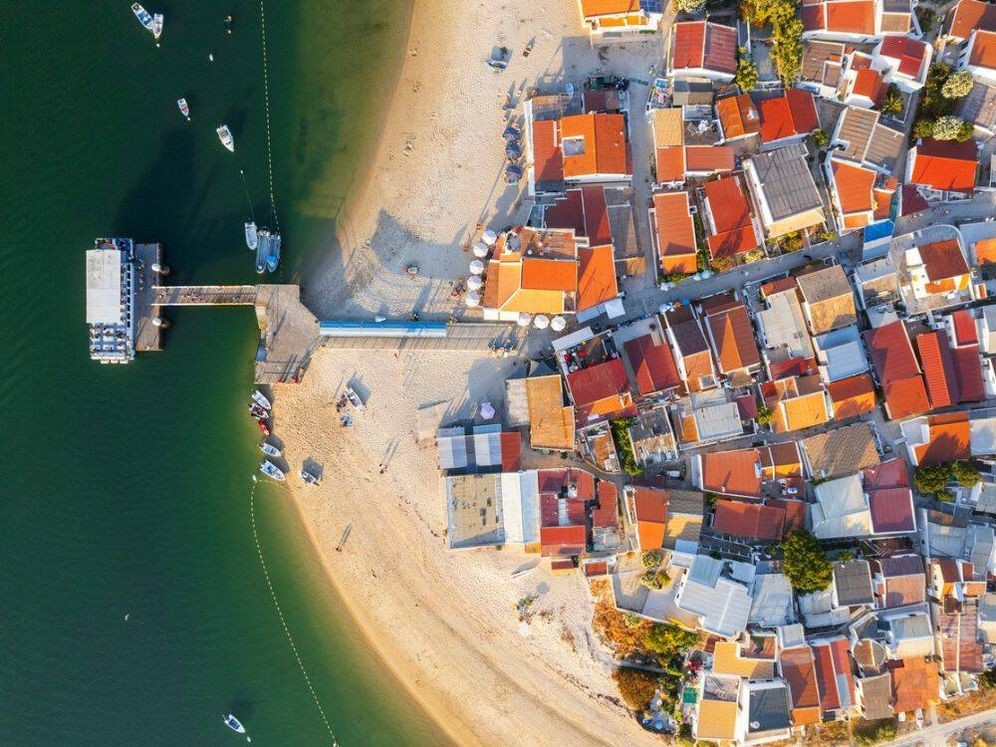
Instead, you’ll find wooden walkways over dunes, simple whitewashed cottages and long stretches of pristine sand framed by crystal‑clear water.
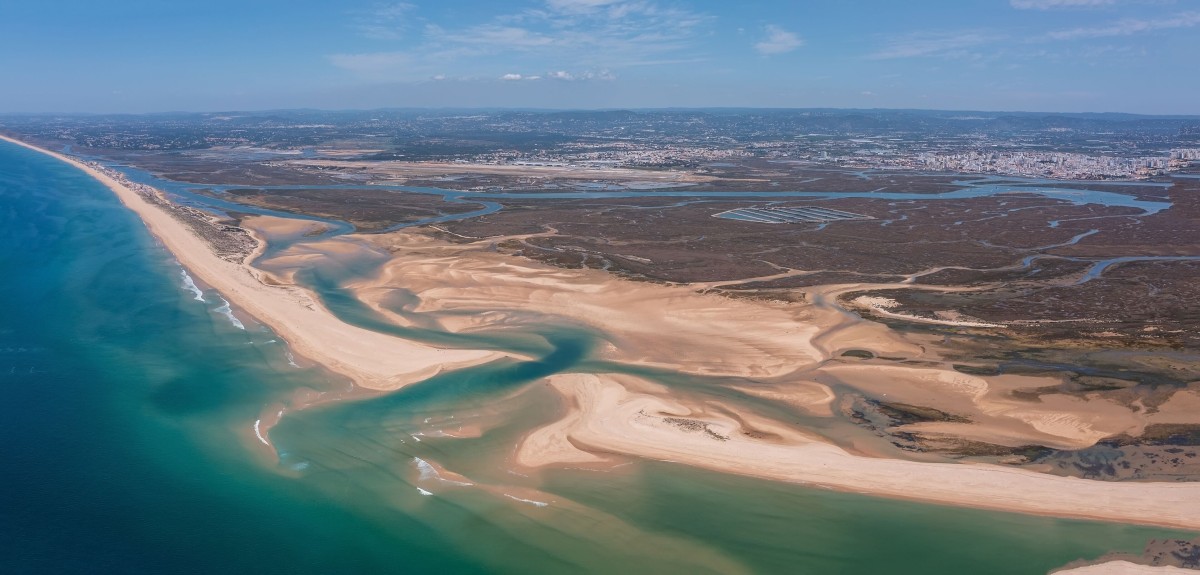
It’s part of the Ria Formosa Natural Park, one of Portugal’s most important protected coastal ecosystems. The result? Unspoilt landscapes and a calm, laid‑back atmosphere that feels increasingly rare in southern Europe.
Why are people calling it the “Portuguese Maldives”?
The nickname isn’t just marketing hype.
On calm days, the sea shimmers in shades of turquoise and emerald. The sand is pale and soft. And because the island is separated from the mainland by the Ria Formosa lagoon, the water is often gentler and warmer than on fully exposed Atlantic beaches.
For residents in Portugal looking for something different — or visitors wanting a quieter alternative to the usual Algarve resorts — Armona offers that “far‑flung island” feeling without leaving the country.
How to get to Ilha da Armona
Getting there is part of the charm.
From Olhão, regular ferries make the short crossing in around 15–20 minutes. In summer, there are also water taxis for more flexibility.
There are no cars on the island, which only adds to the peaceful atmosphere. Everything is explored on foot, from the lagoon side to the ocean-facing beach.
If you’re based in:
- Faro – it’s around 25 minutes by car or train to Olhão
- Tavira – roughly 30 minutes by car
- Albufeira – about 50 minutes by car
It’s an easy day trip — but many visitors end up wishing they’d stayed longer.
What to expect when you arrive
Armona has two distinct sides:
The Ocean Side
Wide, open Atlantic beaches with rolling waves and plenty of space — even in peak summer.
The Lagoon Side
Calmer, warmer waters perfect for families, paddleboarding or simply floating under the sun.
There are a handful of casual cafés and seafood restaurants, but don’t expect luxury beach clubs. The appeal here is simplicity.
Bring:
- Sun protection
- Water
- Cash (some smaller cafés may not accept cards)
And most importantly — bring time.
When is the best time to visit?
While July and August bring more visitors, Armona never feels as crowded as central Algarve beaches.
For a truly tranquil experience, aim for:
- May to June (warm weather, fewer crowds)
- September to early October (sea still warm, softer light, relaxed atmosphere)
Outside peak season, you may feel as though you have the island almost to yourself.
Is it really better than the main Algarve beaches?
It depends on what you’re looking for.
If you want nightlife and beach bars, you’re better off in Praia da Rocha or Albufeira.
But if you’re craving:
- Nature
- Space
- Authentic Algarve charm
- A break from mass tourism
Then Ilha da Armona might just be your new favourite escape.
A hidden gem, but perhaps not for long
Word is spreading.
More visitors — including Spanish travellers and expats living in Portugal — are discovering this peaceful island as an alternative to the Algarve’s busier resorts.
Yet for now, Armona remains one of southern Portugal’s best‑kept secrets.
And if you go soon, you might still catch it before everyone else does.