Residence permits are granted in Portugal in exchange for investing in the country. This is one of the main regulatory changes to the ‘golden’ visa regime that came into force on Monday 1st October 2018.
Many banks ask for a guarantee when granting a loan for the purchase of a house, but there are also certain landlords who ask for one in new leasing contracts.
In recent years, Portugal has enjoyed a growing demand in the real estate market. Here the richest and most famous people buy their homes in search of privacy, beautiful nature and elegant architecture.
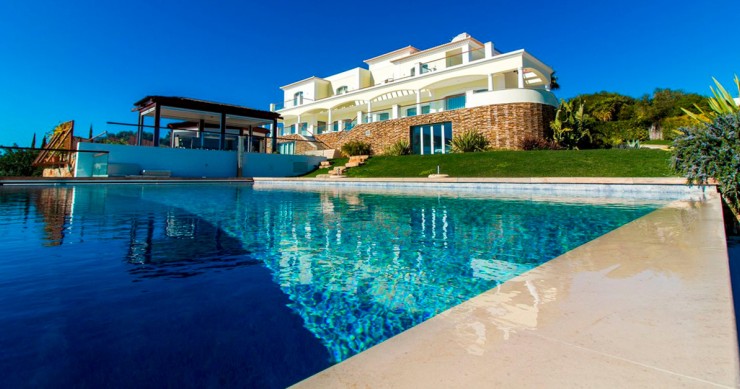
This property, very well known in the local area of Almancil in the Algarve region in southern Portugal, between Albufeira and Faro, has literally everything you could want, and for that reason it’s known as 'Número Um’ in Portuguese, Number One.
It is situated in a perfect location, right in front
They are called Central and Uptown and are the most recent residential marketing projects in Vilamoura in the Algarve. With these developments, 214 charming new villas and apartments will reach the market in 2020.
London’s got Soho, Lisbon has Príncipe Real. The most LGBTI-friendly district of the Portuguese capital attracts restaurants, shops and entertainment venues as well as residents and investors.
To buy or to rent, that is the question. The answer to this question is in line with an existing reality in Portugal, as people in Portugal prefer to be owners of their properties rather than tenants.
There is a new trend of foreign investment in the Portuguese real estate market that is beginning to gain ground. It comes from across the Atlantic, specifically from the United States of America.
Portugal's improved image and reputation is attracting more and more tourists and investors.
Buying a house will always be cheaper than renting in the long run, wherever it is in Portugal, according to accounts based on data from the National Institute of Statistics (Instituto Nacional de Estatística or INE).
In the current real estate context of high prices in the rental market, paying of
When choosing where you want to buy a house, in addition to the comfort factor with respect to work or family, we also have to take into account the price per square metre or square foot of housing in the areas we are considering.
So what are the cheapest destinations for real estate in Portugal?
To buy or not to buy a house? That is the question. There is always someone trying to work through this dilemma. Should I buy? Should I wait? The decision is never easy.
With house prices currently rising in the property market, buyers and investors are looking for cheaper alternatives to purchasing used houses or flats in Portugal.
Buying a house is becoming more and more expensive. Property prices in Portugal rose by 3.8% in the first three months of the year, compared with the last quarter of 2017, making the price 1,748 euro per square metre (m2), or 162 euro per square foot (sq ft), according to the idealista price index.
The real estate market is red-hot in Portugal. Never before have so many houses been sold – 153,292 in 2017, 26,186 more than the previous year (20.6%), and prices are in line with this trend.
Doubting about whether to buy or rent is very common. On one hand, buying a home in Portugal requires a great economic effort, but on the other hand, spending your entire life paying the rent on a house that will never be yours may not be the best option. So how do you decide?
The limitations of the supply of real estate and the increase in prices in the centres of the main cities are pushing many Portuguese families to a life in the outskirts. This is a trend that, according to the real estate agency Century 21, is here to stay.
Interest rates for mortgages are relatively low right now, and it’s possible to can earn more than 7% each year if you invest in a property in Portugal.
The French are still top of the list for the nationality which invests the most in the Portuguese property market, making up 29% of the total. Even so, Brazilian investment keeps growing and already accounts for 19% of property purchases by non-Portuguese.