There’s a noticeable shift happening with American travellers and Portugal. At a time when many US holidaymakers are sticking closer to home, interest in Portugal is quietly climbing.
Recent travel data from Sojern shows hotel searches from the United States for Portugal are up 8.5%, even as outbound US bookings to Europe have dipped by 3% year-on-year.
International demand is also exceeding 2025 levels, with global flight searches to Portugal rising 63.1% since the start of the year, compared to a 25.2% increase during the same period last year.
US travel trends: a more cautious American traveller
According to the travel marketing platform Sojern, nearly 90% of US holiday travellers have been planning domestic road trips rather than flying, reflecting a broader preference for proximity and price-conscious travel.
Against that backdrop of scaled-back long-haul plans, Portugal’s rising search interest stands out. It suggests that while Americans may be trimming certain overseas trips, Portugal still feels like a worthwhile European choice.
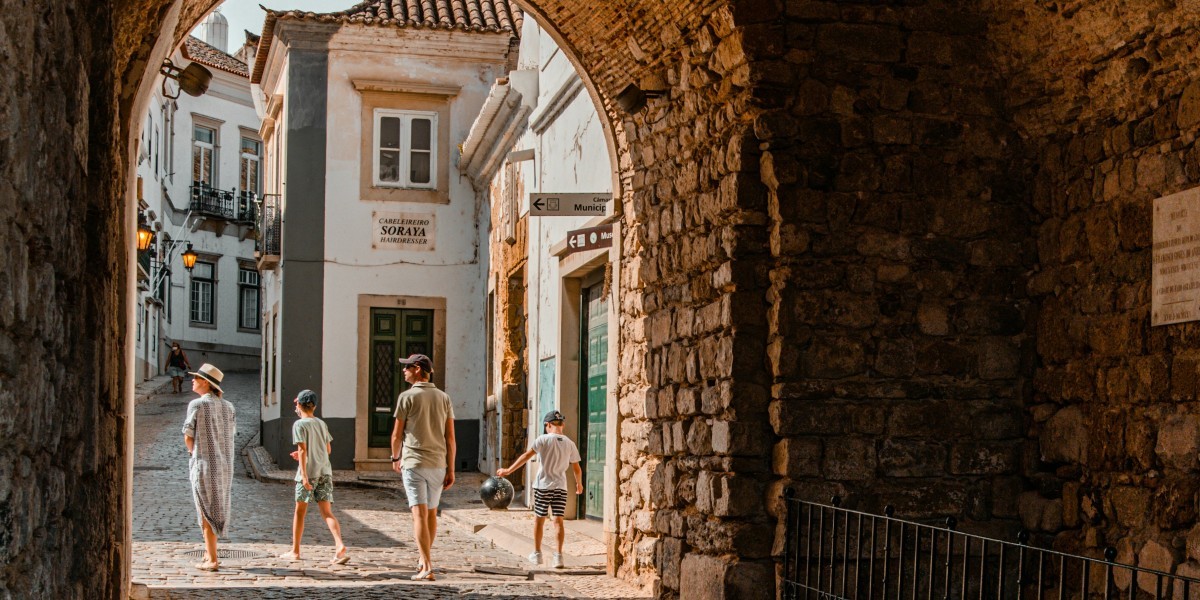
Portugal sees rising demand from American travellers
The numbers for Portugal are steady rather than flashy, but they’re solid. Overall hotel searches remain more than 100% above 2025 levels. Taken together with the rise in US interest and flight searches, the picture is one of sustained international demand rather than a short-lived spike.
Why Portugal appeals to US citizens right now
A perception of stability and safety
There has been a marked decline in searches for destinations in parts of the Middle East, while demand for Portugal has held firm. In uncertain times, Americans appear to be leaning towards EU countries, seen as politically stable and easy to navigate.
Portugal benefits from:
- A reputation for safety
- EU infrastructure and healthcare standards
- A relatively calm political environment

Good value compared to other European destinations
Compared with France or parts of Italy, Portugal generally remains more affordable for accommodation, dining and internal travel.
- In Lisbon or Porto, it’s still possible to eat well in a traditional tasca (a simple local restaurant) without blowing through a holiday budget.
- A coffee and a pastel de nata can cost less than what you’d pay in many US cities.
- The Algarve, particularly outside peak August weeks, often comes in cheaper than equivalent Mediterranean beach destinations in Spain or Italy.
For Americans mindful of exchange rates, that difference adds up over a two-week stay.
Direct flights and straightforward access from the US
Accessibility plays a quiet but important role in Portugal's tourism growth.
There are direct flights linking major US cities to Lisbon, Porto and Faro (seasonal, primarily serving the Algarve). For East Coast travellers, especially, flight times are manageable compared to deeper Mediterranean destinations.
Where are US tourists heading in Portugal?
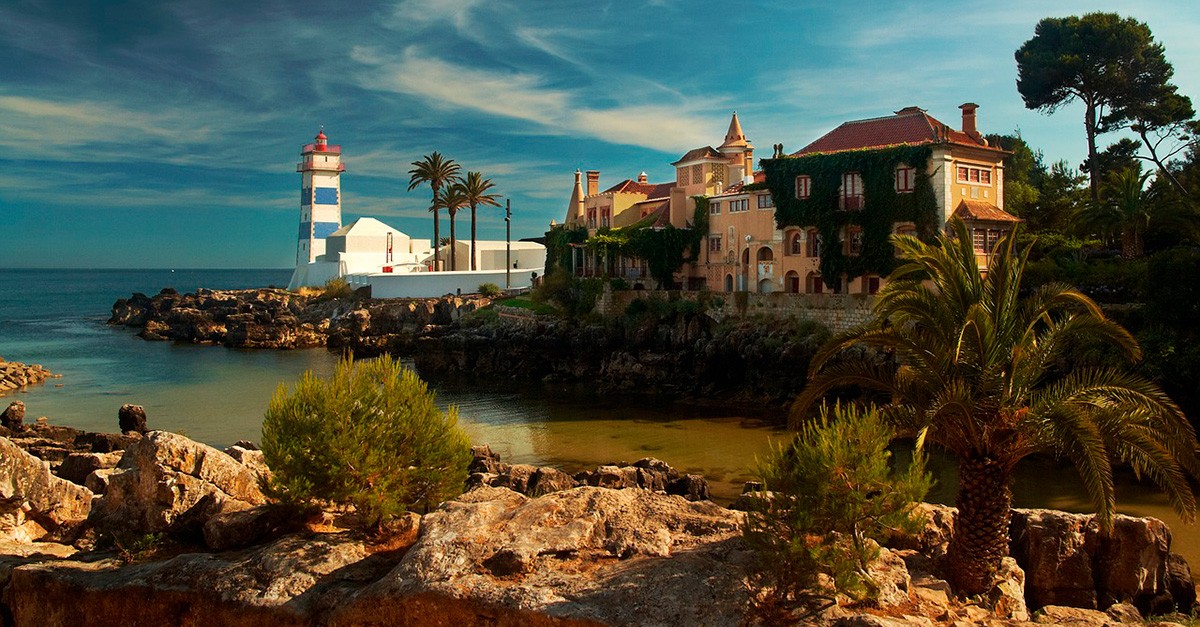
Lisboa and Cascais
Lisbon remains the main entry point. Neighbourhoods such as Alfama, with its narrow lanes and traditional fado music, and Chiado, known for historic cafés and theatres, draw first-time visitors.
Just along the coast, Cascais provides an easy Atlantic escape with sandy beaches and a relaxed marina atmosphere. It’s common to hear American accents in both places now, particularly in boutique hotels and food markets.
Porto and the Douro Valley
Porto attracts travellers who prefer a slightly quieter city break. The historic centre sits above the Douro River, with port wine lodges across in Vila Nova de Gaia.
Day trips into the Douro Valley, with its terraced vineyards and river cruises, have become increasingly popular with US visitors interested in wine tourism. The region feels traditional without being inaccessible.

The Algarve
For beach-led holidays, the Algarve remains a strong pull.
Towns such as Lagos combine dramatic Atlantic cliffs with a lively old town. Tavira, further east, has a slower pace and access to the Ria Formosa natural park. Golf tourism also plays a role, particularly around Vilamoura.
American travellers are still a minority compared to British and Irish visitors, but their presence is growing, especially outside peak European school holidays.
Visiting first, then staying longer
An interesting side note to this rise in American tourism is what happens after the holiday ends.
Portugal has already seen steady interest from US citizens in residency pathways such as the D7 visa and digital nomad visa. Short visits often turn into longer exploratory stays. Time spent in Lisbon’s co-working spaces or in Algarve café culture gives travellers a glimpse of day-to-day life.
That doesn’t mean everyone relocates. Portugal’s bureaucracy can be slow, rental prices in central Lisbon have climbed sharply in recent years, and wages remain lower than in the US. Still, the steady growth in American travel interest suggests Portugal is not simply a passing trend.

Stay inspired for your travels in Portugal —get our weekly newsletter for the latest travel, legal, and lifestyle news.