The number of people living outside their country of birth has nearly doubled over the past three decades, and the reasons for moving have shifted just as quickly. International life now includes remote workers, retirees, and families choosing where to base themselves.
Against that backdrop, a global ranking of the most liveable cities for expats placed Lisbon firmly in first position. Five of the top 10 cities were European, yet Lisbon came out ahead not by dominating a single category, but by performing consistently well across all of them.
What makes this “Most Liveable City for Expats” ranking different?
The Global Citizens Solutions study assessed 35 cities across six continents using seven weighted indicators, including cost of living, safety, air quality, and healthcare. Crucially, it also factored in mobility and integration. That means visa options, administrative accessibility and how realistic it is to build a life there.
Why Lisbon came out on top as the most liveable city for expats

Lisbon did not top every single category. Instead, it ranked strongly across all of them. That steady performance is what pushed it ahead.
Cost of living in Lisbon: lower than many European capitals
One of Lisbon’s big advantages is relative affordability.
Within the ranking, it was among the least expensive capitals, scoring better on cost of living than Amsterdam, Vienna and Copenhagen. That does not mean Lisbon is cheap. Over the past few years, property prices and rents have risen sharply.
According to idealista’s latest available data for early 2026, average asking prices in Lisbon sit well above €5,000 per m² in central areas.
Long-term rents often exceed €1,500 per month for a one-bedroom flat in sought-after districts. That’s steep by Portuguese salary standards, but still lower than comparable property in Amsterdam or Copenhagen.
According to Numbeo, day-to-day costs remain manageable compared to much of Northern Europe:
- Coffee at a local pastelaria: around €2.50
- Beer in a neighbourhood tasca (a traditional, no-frills eatery): €3
- Casual lunch menu: €15
- Monthly utilities for a small flat: typically €150 depending on season
Safety: higher scores than Barcelona, Paris and Rome
If you’re wondering if Lisbon is safe for expats, the short answer is yes, by European standards.
The study found Lisbon’s safety score exceeded that of Barcelona, Paris and Rome. The city is often recognised as one of the safest cities in the world. Violent crime rates are relatively low, and most issues tend to involve pickpocketing in tourist-heavy areas such as Baixa, Alfama and around Rossio.
In day-to-day life, it feels comfortable walking home after dinner or using public transport late in the evening. As always, common sense applies, and some areas are safer than others, but compared with many major cities, Lisbon feels steady and manageable.
Clean air and environmental quality
Air quality was another area where Lisbon performed well.
Its Atlantic position helps. Ocean breezes clear the air, and there’s limited heavy industry within the city itself. Compared to more congested continental capitals, pollution levels tend to be lower.
Access to green space also plays a role in the overall quality of life. Parks like Monsanto Forest Park and viewpoints such as Miradouro da Senhora do Monte offer breathing room within the urban grid.
Healthcare and infrastructure
Healthcare carried significant weight in the ranking, and Portugal’s system scored solidly.
Residents have access to the public Serviço Nacional de Saúde (SNS), and many expats opt for private cover, which is relatively affordable by international standards. Private hospitals such as Hospital da Luz and CUF Descobertas are frequently used by international residents.
Infrastructure is another strength:
- A reliable metro network
- Trains connecting Lisbon to Cascais, Sintra and the south bank
- International airport within 20–30 minutes of the centre
English proficiency and ease of settling in
English proficiency in Lisbon is high, particularly among younger residents and those working in services or tech. That significantly reduces friction during the first year of relocation.
Administrative processes still require Portuguese in many cases, and learning the language makes a noticeable difference long term. But daily life — ordering food, setting up utilities, renting a flat — is generally manageable for English speakers.
This accessibility feeds directly into the “ease of settling in” score that helped Lisbon rank as the best city in the world for expats.
Visa options and residency pathways
One of Lisbon’s structural advantages lies in Portugal’s legal framework.
Portugal has introduced clear pathways for non-EU nationals, including:
- A digital nomad visa for remote workers
- Residency routes linked to investment and entrepreneurship
- Standard D7 and D8 visa categories for passive income or remote work
Lisbon vs other top cities for expats
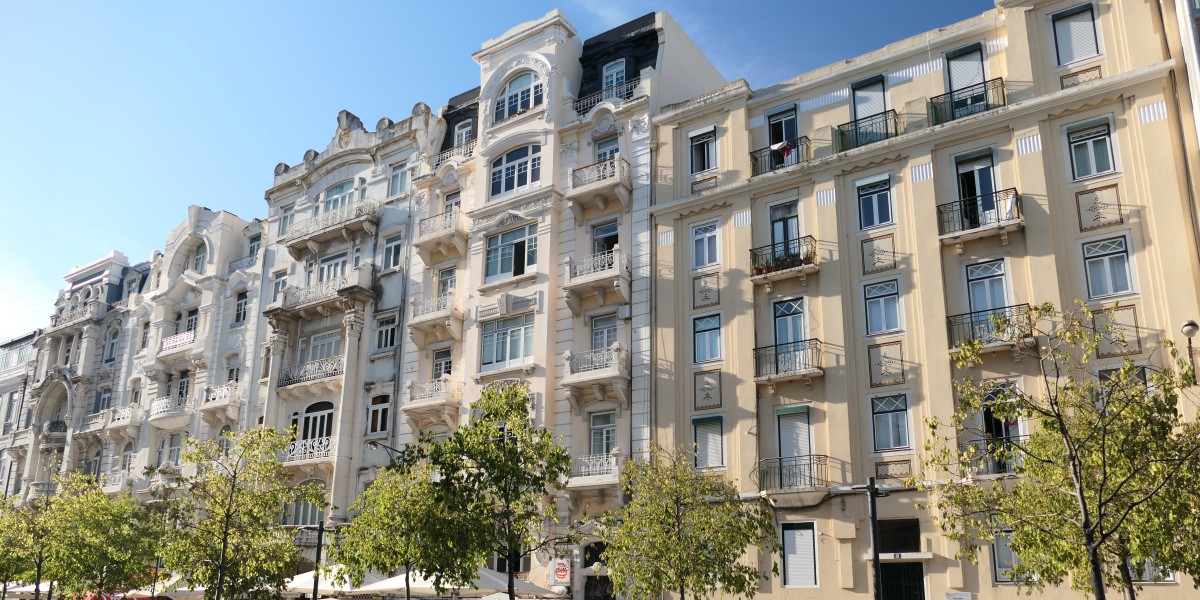
Looking at the top 10 helps put Lisbon’s win into perspective.
Lisbon vs Amsterdam
Amsterdam ranked second overall and scored extremely well on healthcare and English proficiency. Social integration, however, can take time, and housing costs are significantly higher.
Rent levels and property prices in Amsterdam often outpace those in Lisbon by a wide margin. For many expats, that affordability gap is decisive.
Lisbon vs Vienna
Vienna consistently ranks highly in global quality-of-life surveys. Public transport, safety and infrastructure are excellent.
However, costs are higher, and non-EU residency can be more complex. Lisbon’s climate and coastal access also weigh heavily for many relocating from colder regions.
Lisbon vs Barcelona
Barcelona placed fifth in the ranking. It shares many lifestyle similarities with Lisbon: Mediterranean climate, strong food culture and an active expat scene.
The study gave Lisbon a higher safety score. Spain’s visa landscape differs from Portugal’s, and some non-EU nationals find Portugal’s framework more straightforward.
Both cities have seen sharp housing cost increases, so in either case, planning your budget carefully matters.
Is Lisbon really the best city in the world for every expat?

It would be unrealistic to pretend Lisbon works for everyone.
Some of the pros of life in Lisbon include:
- High safety levels compared to many major cities
- Accessible healthcare and decent infrastructure
- Strong English proficiency for smoother integration
Some of the cons include:
- Rising rents and property prices, especially in central districts
- Slow bureaucracy and administrative delays
Winter can also surprise newcomers. Older flats are often poorly insulated, and damp can be an issue. Summers, on the other hand, are hot and dry.
Stay in the know about living in Portugal as a foreigner—get our weekly newsletter for the latest travel, legal, and lifestyle news.
For a taste of the high life, sign up for the monthly luxury market round-up.