The restriction of bank financing and the end of gold visas in Portugal for property purchases have created a climate of uncertainty for foreign investors.
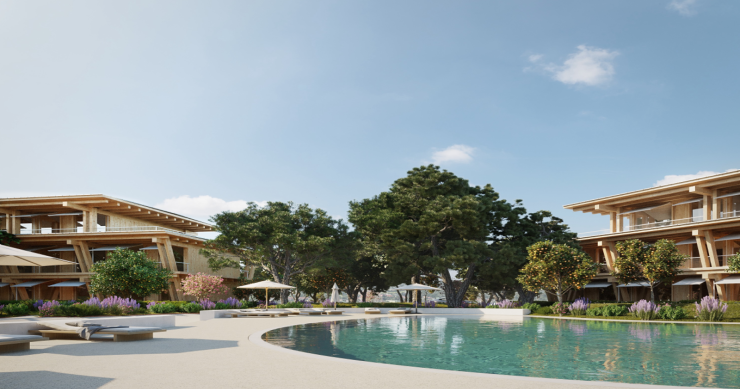
It's called Villa Magna and it's an eco-resort located in Porches, in the Algarve, made up of 62 flats - with studio and one-bedroom types - located in self-sustainable buildings. At stake is a 25 million euro investment by property developer Livingroup.
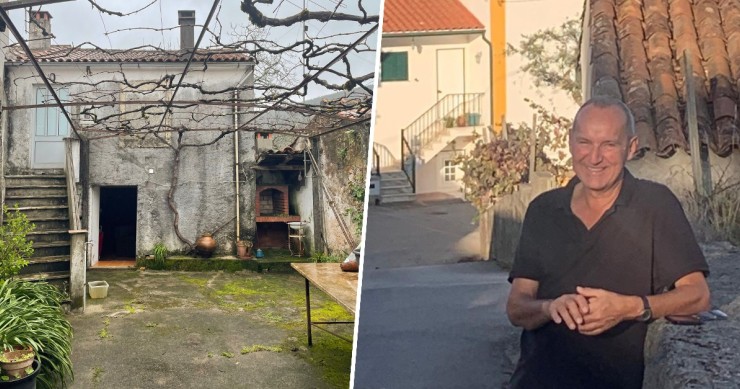
He discovered the wonders of central Portugal after decades in the Algarve, realising that its beautiful rural areas are increasingly on the radar of those who, for one reason or another, prefer to avoid the tourist centres and cities.
The 'Living in Portugal' events, which began in California at the start of the year, will reach three new US cities in February 2024, with the aim of promoting Portugal as an emigration and investment destination.
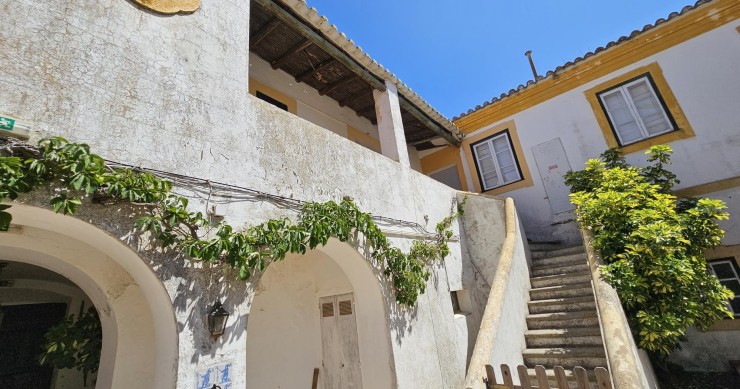
In Vilamoura, in the Algarve, there is a property that stands out for its historic character: the Estalagem da Cegonha, a 16th century building that was visited by kings and poets such as Dom Sebastião and Luís de Camões.
The current macroeconomic environment is challenging, characterised by still high inflation and high interest rates that affect the profitability of businesses. But in this uncertain context, investing in the property market may even be the first line of defence to protect capital.
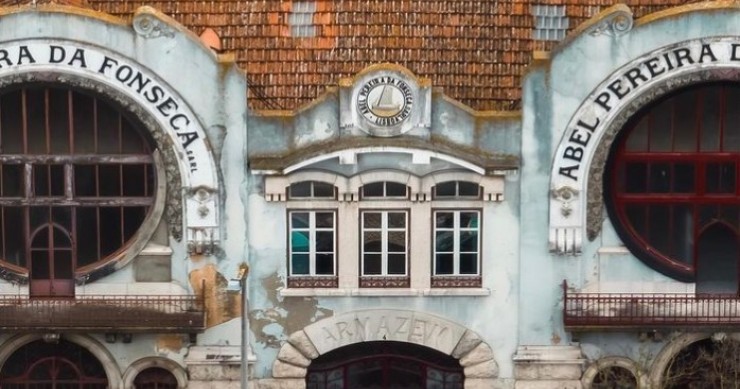
The former Abel Pereira da Fonseca wine warehouses, in Lisbon's East Zone, will be home to a new cultural and commercial space, with restaurants, shops, discos, art galleries and even paddle tennis courts.
European programmes that offer citizenship "in exchange" for investment- particularly in real estate- are alive and well in Europe, despite calls for an end to the issuing of new golden visas.
Chinese property developer Evergrande announced on Tuesday (18 July) net losses of more than €72bn over the past two years, illustrating the liquidity crisis that has rocked China's real estate sector.
The company recorded net losses of 476,035 million yuan (€59,051 million) in 2021 and 105,914 mil
It's fair to say there's life beyond fashion. Italian luxury brand Dolce & Gabbana, founded by Domenico Dolce and Stefano Gabbana in 1985, has broadened its horizons and will also invest in the property sector. And in the premium segment, of course.
The Portuguese real estate market is experiencing uncertain and at the same time challenging times, with calls from across the sector for more housing supply. Demand for real estate in Portugal continues to be high, namely from foreign investors.
The governments of the Azores and Madeira defend the continuity of golden visas in the two autonomous regions even if the proposal of the Government of the Republic to end its granting for the acquisition of real estate in Portugal comes into force.
The end of the granting of new golden visas
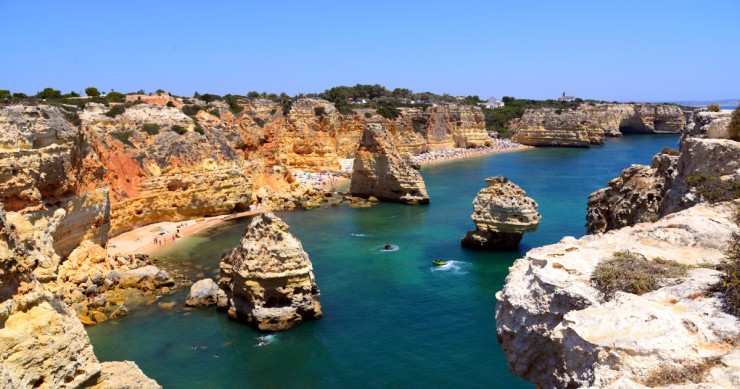
Around 90% of buyers interested in property in the Algarve region of Portugal are there for second homes, attracted by the more than 300 days of sunshine a year and the tranquility of the region to enjoy holidays.
"Portugal's reputation as a safe country to invest in may be compromised, given the continuous legislative and fiscal instability that impacts the real estate market".
The Portuguese Government has decided to go ahead with its golden visa clampdown, and all requests made after 16th February 2023 are no longer considered valid - the date on which Portugal's new housing package was announced.
Over the last decade, the conditions have been in place for international funds to bet all their chips on the Portuguese real estate market, so much so that in 2022 they led real estate transactions.
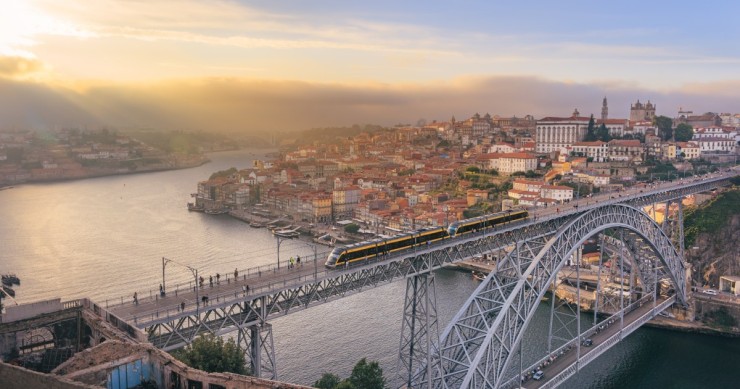
Porto is at the top of the list of European cities and regions of the future, according to the ranking of the fDi Intelligence magazine, part of the Financial Times.
After having threatened in November, and despite requests from the real estate sector to only make adjustments to the programme, António Costa will put an end to golden visas in Portugal.
Real estate industry experts anticipate 2023 to be a year of unpredictability, due to the impact of inflation, increasing interest rates, potential economic slowdown, or energy crisis.
The property market in Portugal and on a larger scale has already proved its resilience, first in the pandemic crisis and now in the context of inflation marked by the war in Ukraine.